


The Fête des Lumières of Lyon
Of all celebrations and festivals organised in Lyon every year, the Fête des Lumières (Festival of Lights) is one of the most iconic. Dating back to the 19th century, this tradition attracts visitors from all over the world every December. Are you interested in this celebration? Do you want to find out more? ONLYLYON can tell you all about it!
What is the Fête des Lumières?
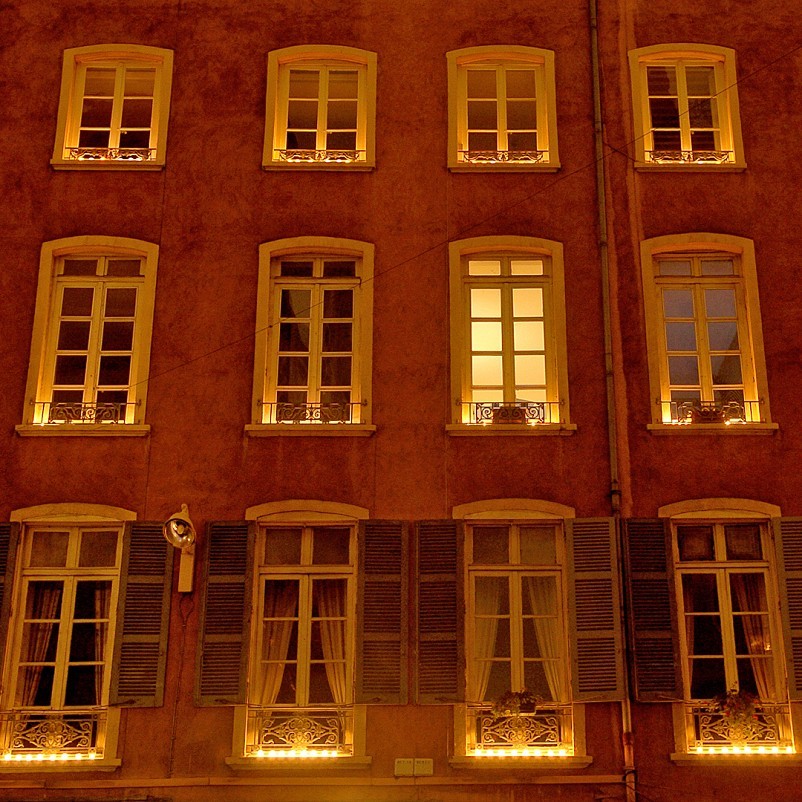
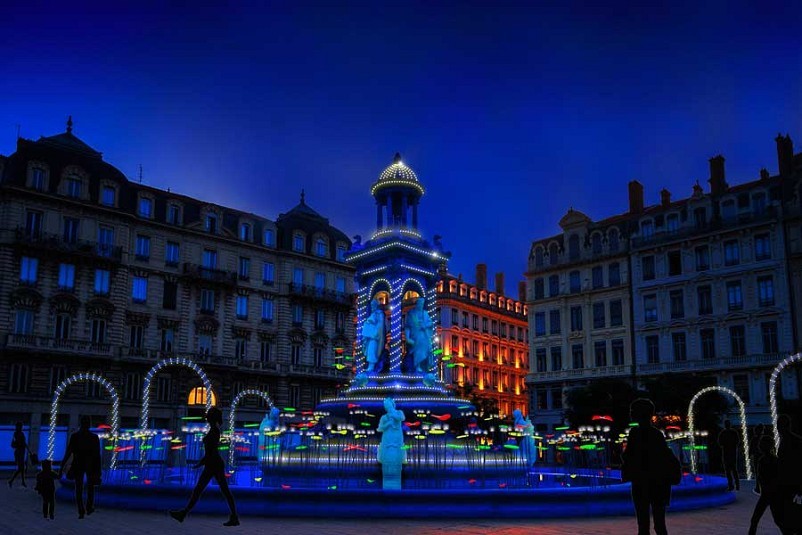
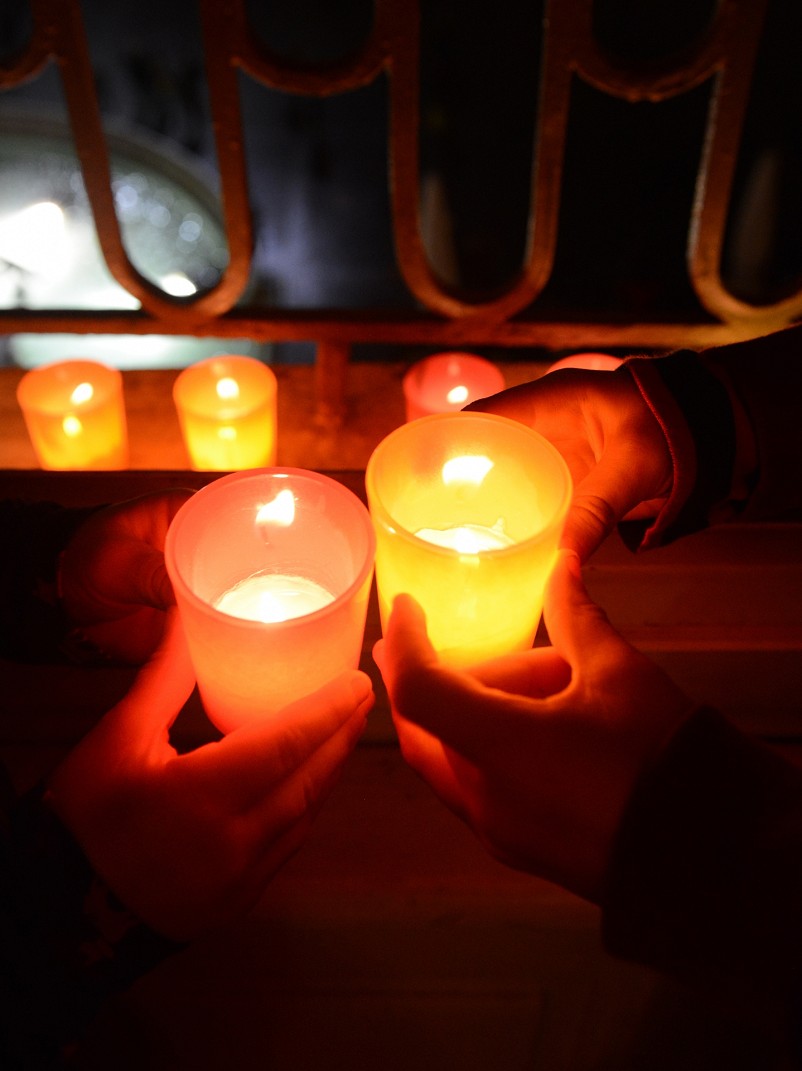
The Fête des Lumières is a four-day festival that is organised in the city of Lyon, France. During the festival, people place tealights on their windowsills and light shows are projected onto the facades of the city’s most iconic buildings. Most of these shows can be seen in the city centre, in an area which is closed to traffic every day from 5pm to midnight during the event.
The Fête des Lumières also features various artistic displays that come to life after sunset, when their lights are on, and the city becomes a real open air museum.
In light of the environmental impact of the Fête des Lumières, the city is taking measures to minimise the event’s effect on Lyon’s energy consumption. LED lights and high-performance equipment are favoured. Furthermore, the usual lighting used for monuments is switched off during the event. These measures have enabled the Fête des Lumières to earn the Event Sustainability Management Systems certification (ISO 20121).
What are the Lumignons du Cœur?
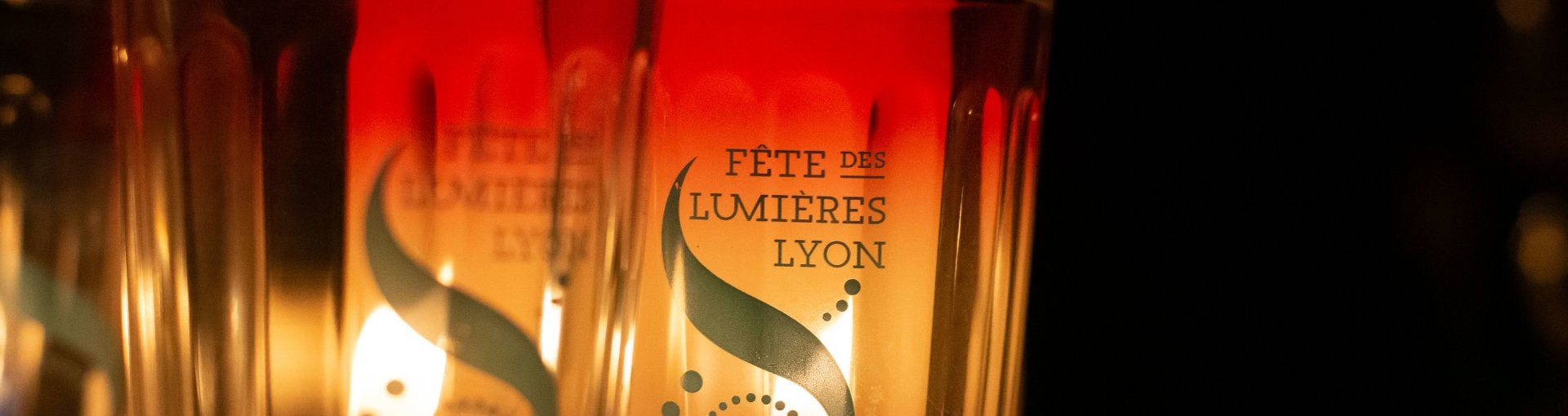
This event is accompanied by a solidarity initiative: Les Lumignons du Cœur (The Heart Tealight). Lyon’s inhabitants and visitors are invited to purchase a €2 tealight. The proceeds will be donated to a different charity each year.

How was the Fête des Lumières created?
Historically, the Fête des Lumières is organised around December 8, but everything actually started on September 8… centuries ago.
The origins of this celebration date back to 1643, when the aldermen of the city made a vow that would become known as the aldermen’s vow. That year, a plague epidemic was threatening the city. The aldermen vowed that they would celebrate the Virgin once a year if Lyon was spared. Their prayer was answered and September 8 became the chosen date for the celebration. At this time, there were no lights involved.
This tradition only began in 1852. That year, a statue of the Virgin Mary was due to be installed on top of the bell tower of the chapel on Fourvière Hill. This was scheduled for September 8, but poor weather prevented it from happening. It was therefore postponed to December 8 (the Feast of the Immaculate Conception). To celebrate this long-awaited event, Lyon’s inhabitants decided to put candles on their windowsills that day. This tradition has been maintained year after year since then.
However, at that time, the celebration was still far from what it is today. For more than a century, the custom was simply to place tealights on windowsills, often in stained glass, which gave the streets of Lyon a festive atmosphere. It was only in the late 20th century that the Fête des Lumières (which was not yet known by that name) took on a new dimension.

A festival that changed with time
The Fête des Lumières as it is known today was created by the mayor Michel Noir and his deputy Henri Chabert. In 1989, they launched the Plan Lumière, which aimed to reimagine public lighting as more than just a safety measure, and to showcase the city’s historic monuments with dedicated lighting. This initiative has been implemented for around 250 monuments across the city.
Then, in 1999, a four-day festival was created around December 8, featuring art installations, marking the beginning of the celebration as we know it today. The following year, the festival officially became known as the Fête des Lumières.
The Plan Lumière is still in place today. In 2005, it was revised to cover more than just monuments. This new approach led to 1,000 new lighting spots being added across the entire city each year, while reducing energy consumption by 33%. Nowadays, public lighting is designed to match with the identity of each neighbourhood.
Lyon is now world-renowned for the quality of its lighting and was the driving force behind the creation of the LUCI (Lighting Urban Community International) network in 2002. This organisation brings together 70 cities and 40 associated members to address issues related to public lighting.
What are the must-sees during the Fête des Lumières?
The animations and art installations at the Fête des Lumières change from year to year. Among the must-sees to been seen each year are:
- the traditional “montée aux flambeaux”, a yearly procession on December 8, that starts at the Saint-Jean-Baptiste cathedral’s forecourt and ends at the top of the Fourvière Hill, in front of the basilica of the same name,
- the place des Terreaux, is another highlight, with light shows on the town hall and fine arts museum facades providing a great way to discover this iconic square,
- the place Bellecour is also an emblematic square that is regularly highlighted during the festival, especially the equestrian statue of Louis XIV, which is often presented in a surprising way,
- the Saône and Rhône banks offer great views of the city and allow visitors to enjoy some of the best views of the illuminated buildings,
- the Parc de la Tête d’Or is already one of the most popular places in Lyon, but during the Fête des Lumières, you can discover intriguing art installations simply by walking along its paths.
If you don’t want to miss anything, go to the event’s website, where you will find the full programme for the next festival.
Will you visit Lyon soon? Prepare your stay!
Lyon is one of the most popular cities in France among international tourists. In addition to its ambitious and memorable events, it is also famous for its incredible history, its architecture spanning all eras and the numerous surprising stories its streets hold. Are you coming to visit soon? Prepare your stay with Visiter Lyon!